Add Row
Add Element
cropper
update
Pro Home Guides
update
Add Element
  • Home
  • Categories
    • Home Design & Inspiration
    • Home Renovation & Project Planning
    • DIY Home Improvement & Repairs
    • Pro Contractor Insights & Business Growth
    • Technical Tips & Best Practices
    • Outdoor Living
September 22.2025
3 Minutes Read

Discover the 7 Safest Space Heaters for Cozy Winter Comfort

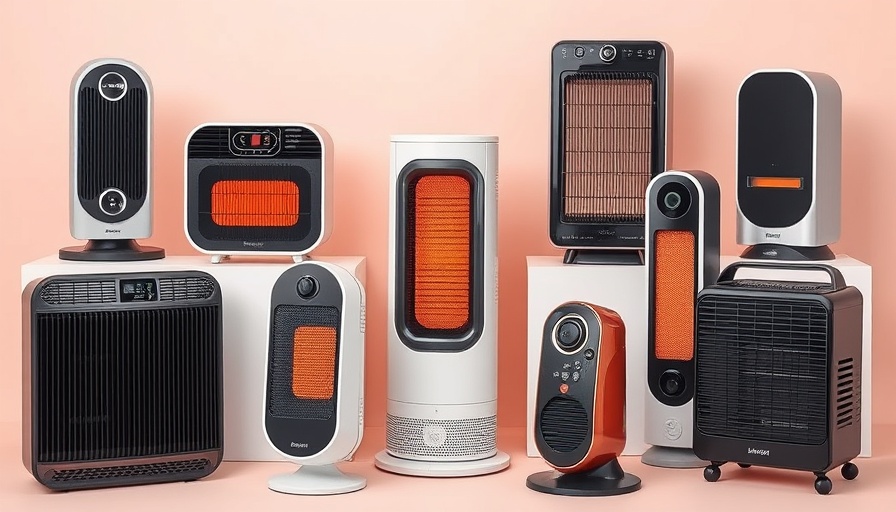
Contemporary space heaters in varied designs on a pastel backdrop.

Why Choosing the Right Space Heater Matters

As winter approaches and temperatures drop, home heating costs often rise, prompting many homeowners to look for efficient alternatives. Space heaters can be both an economical and effective way to keep warm during the chilly months. However, with safety concerns always lingering, selecting the right heater is crucial. According to recent tests conducted on twelve electric space heaters, seven stood out for their unmatched safety features, making them a top choice for homeowners aiming for warmth without the worry of fire hazards.

The Seven Safest Space Heaters You Can Trust

Among the heaters tested, the Dreo Space Heater Solaris 718 emerged as the best overall, combining outstanding heating performance with safety features that include overheat protection and a tip-over switch. For those on a budget, the Dreo Space Heater Atom One stands out as an economical option that doesn’t compromise safety. If you're looking for infrared technology, the Dr Infrared Portable Space Heater offers exceptional heating efficiency.

For larger areas, the Vornado MVH Whole Room Heater provides powerful heating capabilities, ensuring a consistently warm environment. If advanced features catch your fancy, the Black + Decker Portable Space Heater includes integrated thermostat controls and remote operation, making it a versatile choice. On the energy-efficient side, the DeLonghi Mica Panel Heater is not only stylish but operates quietly while minimizing energy consumption. Lastly, the multi-functional Dyson Purifier Hot + Cool serves double duty as both a heater and an air purifier, perfect for maintaining air quality while keeping warm.

Safety First: Understanding Risks and Responsibilities

It's important to acknowledge that while these heaters are among the safest, poor practices can still lead to fire risks. According to the U.S. Fire Administration, space heaters are a leading cause of home fires during winter. Thus, while choosing a safe heater is vital, equally important is understanding the responsibilities that come with their use. Proper placement away from flammable materials, regular maintenance, and adherence to manufacturer recommendations can significantly mitigate risks. Following safety precautions ensures that you can enjoy the warmth without worry.

Energy Efficiency and Eco-Friendly Living

In today’s environmentally conscious world, energy efficiency is more than just a buzzword; it’s a necessity. Utilizing energy-efficient space heaters not only cuts costs on your electricity bill but also minimizes your carbon footprint. The DeLonghi Mica Panel Heater, specifically designed with smart technology, represents a great investment for eco-friendly living. These heaters use less energy while maintaining a high level of performance, proving that comfort and sustainability can coexist.

Testing Space Heaters: What to Look For

When scouting for the best heaters, it’s imperative to consider more than just the price tag. Look for features such as multiple heat settings, timer functions, and safety features like automatic shut-off systems. Reviews from licensed electricians and user testimonials can offer invaluable insights as well. Our curated list provides confidence that you’re selecting from the best portable heaters available in 2025.

Incorporating Space Heaters into Your Home Design

Beyond the functionality, choosing the right design for your space heater can enhance your home's aesthetics as well. Brands like Dyson and DeLonghi offer sleek designs that complement modern interiors. Integrating them seamlessly into your living space means you won’t have to sacrifice style for warmth, making these heaters a functional yet stylish addition to any home.

Conclusion: Warmth and Safety Come Together

Investing in a safe space heater is essential as the colder months draw near. The seven models reviewed not only ensure you stay warm but also prioritize safety and efficiency, catering to both refuge from winter's chill and peace of mind. Enhancing your home with the right space heater means you can keep cozy while preventing potential hazards. Explore the options, understand their features, and embrace the warmth of winter responsibly.

Home Renovation & Project Planning

Write A Comment

*
*
Related Posts All Posts
01.16.2026

How to Tackle Bath Fan Condensation: Expert Tips for Homeowners

Update Understanding Bath Fan Condensation Bath fan condensation is a common issue many homeowners encounter, especially during colder months. This condensation can lead to significant problems, including mold growth and structural damage to the home. Proper ventilation should direct excess humidity outside, but when that system fails, moisture can gather in unexpected places, like attics, creating a potential health hazard. Why Proper Ventilation Matters When using a bath fan, especially in colder climates, the way air is vented significantly impacts moisture levels. Ideally, fans should vent directly to the outside rather than into the attic. As referenced by experts, having the fan installed in a manner that prevents air from returning to the living space not only protects the airflow but also helps keep the fan and its ducting system dry. Key Solutions to Minimize Condensation To effectively combat this issue, it's crucial to take proactive measures. Here are essential techniques to reduce bath fan condensation: Install Rigid Ductwork: Use rigid metal ductwork instead of flexible types to facilitate efficient air movement. Vent to Exterior: Ensure the ductwork leads directly outside, terminating at a gable wall or roof vent. Insulate Ducts: Insulating the ductwork in unconditioned spaces, like attics, can substantially reduce the chances of condensation forming. Run Fans After Use: Keeping the fan running for an additional period after a shower helps clear residual moisture from the system. Common Misconceptions about Fan Usage Many homeowners believe that simply insulating ductwork is adequate to prevent condensation. However, insulation might not always be a cure-all. The true challenge lies in managing the temperature differences and ensuring proper sealing around joints to prevent moist air from escaping into attics. Real-Life Impacts of Poor Ventilation For example, when a homeowner fails to ventilate correctly, moisture can lead to unattractive mold infestations, and over time, this compromises both the aesthetic and structural integrity of their home. Understanding the importance of effective moisture control is vital in preventing these problems. Future Trends in Bath Ventilation The advancement of smart home technology is introducing exciting innovations in managing residential humidity levels, including programmable bath fans with sensors to detect humidity levels and automatically respond to varying conditions. This can support homeowners in maintaining healthier, more comfortable indoor environments. Steps to Implement Better Ventilation Practices Homeowners do not need to be experts to ensure their ventilation systems are functioning well. Here are actionable steps to improve home ventilation: Regularly check and clean vents to ensure unobstructed airflow. Consider professional installation if changes are needed. Use dehumidifiers in especially humid areas. Conclusion: Take Charge of Your Home’s Humidity Monitoring and managing humidity levels is essential not just for comfort but for preventing costly repairs in the long run. Understanding the intricacies of bath fan functionality can empower homeowners to make informed decisions, ultimately enhancing their home’s longevity and health.

01.15.2026

Discover How Old and New Architecture Creates Unique Spaces

Update Bridging Timelessness and Modernity In an era defined by accelerated change, the blending of old and new architecture captures the imagination and showcases the evolution of human creativity. The juxtaposition of historic buildings with contemporary designs can spark dialogue about heritage, community, and innovation. In aesthetically riveting ways, these architectural unions capture a vibrant synergy between past and present, benefiting not just the structures themselves but also the communities they inhabit. The Essence of Preservation and Adaptation In the recent article “Old and New Meet in the Middle,” the author explores how architecture can wonderfully reflect the balance between historical integrity and modern utility. A prime example is Zaha Hadid’s Port House in Antwerp, which transformed an old fire station into a beacon of contemporary design. This intermediating space serves as more than just a functional building; it becomes a cultural landmark that energizes the neighborhood. Lessons from Architectural Harmonies Referring to insights from architectural critiques, such as those highlighted in ArchDaily, we see that monumental architecture does not solely thrive on aesthetic appeal but also on storytelling—how it echoes the cultural narratives of its era. Decisions to preserve, adapt, or transform historic sites often hinge on balancing reverence with contemporary needs. The successful outcomes derive from architects’ commitment to both their visionary designs and the historical context they are reshaping. Sparking Economic Revitalization A well-executed architectural hybrid not only revitalizes the structure but also contributes to economic shifts in a community, often termed the 'Bilbao Effect'. As exemplified in places like the Guggenheim Museum in Bilbao, Spain, a thoughtfully integrated modern building can dramatically enhance local economies and tourism. This phenomenon showcases how old structures can experience renaissance through innovative additions, engaging more stakeholders while honoring the past. Emotions Tied to Architectural Design For many individuals, buildings symbolize their identity and history—it is where stories unfold and communities shape themselves. When historic and modern architecture converge harmoniously, it ignites a communal pride that connects generations. This emotional aspect cannot be overlooked, making the task of architects even more profound as they strive to reflect collective memories while fostering a sense of progress. Practical Tips for Embracing Architectural Diversity For homeowners and builders looking to integrate modern touches into older properties, here are some actionable insights: Focus on Material Selection: Choose materials that can elegantly blend with the existing structure. For instance, glass additions can achieve transparency without overwhelming the original façade. Consider Scale and Proportion: When designing extensions, maintain a scale that respects the original building. This creates a seamless visual narrative. Seek Community Input: Engaging local stakeholders during the design process can foster a shared investment in the outcome, ensuring that the new design resonates with existing community values. Looking Ahead: The Future of Architectural Interplay As we navigate a world increasingly intertwined with technology and sustainability, the dialogue around architecture will evolve. Future designs may involve adaptive reuse employing cutting-edge technologies and eco-friendly materials. The romance of blending the old with the new will continue to flourish, reminding us that preserving history while embracing the future is not just feasible, but essential. In conclusion, thoughtfully merging historic and modern architectures is about more than aesthetics; it extends to enhancing community identity, bolstering economies, and fostering emotional connections. As this architectural trend proceeds to evolve, we can expect even more visually stunning and meaningful spaces to emerge, reflecting the best of both worlds. For homeowners and contractors alike, consider how your next project can respectfully blend the heritage of yesterday with the hope of tomorrow.

01.15.2026

Explore the Most-Recalled Car Brands of 2025: What Consumers Need to Know

Update Ford Dominates the Recall Landscape of 2025 As consumers gear up for new vehicle purchases, understanding recall trends can provide valuable insights into manufacturer reliability and safety. In 2025, Ford set an industry record by issuing a staggering 153 recalls, representing a significant 34% of all recalls from the top 12 automakers. This figure indicates not only the volume of issues but also Ford's commitment to transparency and consumer safety. The Importance of Recall Awareness for Consumers Vehicle recall data serves as a crucial reference point for potential buyers. In a market where safety and quality can significantly influence purchasing decisions, awareness of a brand's recall history is key. For instance, the recalls enacted by Ford affected nearly 13 million vehicles, a striking number that every prospective buyer should consider. Ford's recalls were predominantly due to electrical issues, revealing a critical area of concern that was noted in their annual report. Understanding the Types of Recalls Ford's extensive list of recalls ranged across various categories, highlighting the diversity and seriousness of the issues. The National Highway Traffic Safety Administration (NHTSA) detailed that 27 of Ford's recalls were due to electrical failures, while other significant categories included back over prevention problems and hydraulic brake issues. Importantly, 19 recalls came with a “Do Not Drive” alert, hinting at potential life-threatening defects. Looking Beyond the Numbers: Safety Commitments Despite the high recall figures, Ford executives insisted that these recalls reflect not only the challenges faced by the automaker but a dedicated strategy aimed at enhancing vehicle quality and safety. The company has notably doubled its compliance and safety teams, implemented rigorous testing, and invested in advanced software audits. These proactive measures underscore Ford's resolve to rectify quality issues and bring vehicles to market that meet stringent safety standards. A Broader Perspective on Automotive Recalls Ford's situation is not unique; other manufacturers also experienced considerable recalls, though on a smaller scale. Chrysler had 53 recalls, and Honda followed with 24. Notably, the shift in trends reveals that increased recall counts signify not merely quality deterioration but rather a more stringent approach to identifying and rectifying potential defects before they evolve into critical failures. What Future Trends Might Look Like As the automotive industry continues to evolve, we can expect a sharper focus on safety technology and proactive defect management across manufacturers. Initiatives involving advanced AI and software solutions will likely become a standard approach to reducing recalls. Such technologies can predict and mitigate issues before they necessitate widespread recalls, paving the way for improved consumer trust. Consumer Preparedness in the Auto Market The influx of recalls in 2025 has significant implications for consumers. Buyers should take the time to research recall histories, understand the reasons behind recalls, and assess how companies respond to potential safety issues. Increasing awareness empowers consumers to make informed decisions that prioritize safety alongside style and comfort. By recognizing the importance of these recalls, and being mindful of the brands you consider, consumers can engage more effectively in the automotive marketplace. Understanding the landscape of recalls can not only enhance safety but also amplify confidence in your vehicle choice. If you're considering a vehicle purchase in the near future, being well-informed about recall histories can directly influence your choice, potentially saving you from future inconveniences and safety risks.

Terms of Service

Privacy Policy

Core Modal Title

Sorry, no results found

You Might Find These Articles Interesting

T
Please Check Your Email
We Will Be Following Up Shortly
*
*
*