Add Row
Add Element
cropper
update
Pro Home Guides
update
Add Element
  • Home
  • Categories
    • Home Design & Inspiration
    • Home Renovation & Project Planning
    • DIY Home Improvement & Repairs
    • Pro Contractor Insights & Business Growth
    • Technical Tips & Best Practices
    • Outdoor Living
May 24.2025
3 Minutes Read

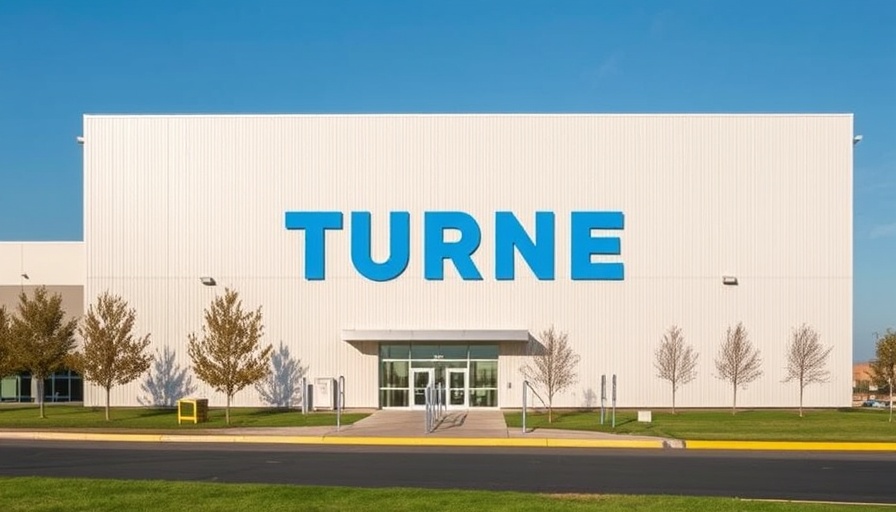
How Turner’s Shift to Data Centers Will Impact Home Services

Turner Advances Plans to Become a Data Center Developer

Data Centers: The New Frontier in Home Services?

As technology continues to evolve, the demand for data centers has skyrocketed. Recently, Turner Construction Company announced its ambitions to transition into the role of a data center developer. This move represents a significant shake-up in the construction industry, where companies are increasingly pivoting towards IT infrastructures. Given that contractors play a pivotal role in supporting technology-driven projects, Turner's foray into data centers might just redefine how they engage in modern construction.

Historical Context: The Rise of Data Centers

Data centers have become the backbone of our digital world, housing the servers that support everything from internet browsing to cloud applications. In the past decade, the proliferation of online services and remote work solutions has highlighted their importance. Turner’s entry into this field reflects a broader trend towards integrating construction with tech solutions—a synergy that could influence contractors' operations and project planning significantly.

The Value of Data Centers for Home and Business

For homeowners and contractors alike, understanding the implications of data centers is crucial. Turner’s new endeavors could lead to improved insights into energy efficiency, connectivity, and resource management for residential projects. Contractors serving residential clients may find themselves needing to build or retrofit spaces that can accommodate these high-tech infrastructures, aligning with contemporary lifestyle demands.

Future Predictions: Growth in Data Center Developments

Industry analysts predict steep growth in the data center sector, driven by an increasing reliance on data by businesses and consumers. Turner’s strategic shift could lead to enhanced partnership opportunities for contractors looking to enter this lucrative space. With growing regulations around environmental sustainability and energy consumption, contractors can potentially capitalize on Turner's insights to bolster their credibility in eco-friendly construction.

Counterarguments: Concerns in the Construction Industry

Despite the opportunities, the expansion of data centers raises some concerns. Many contractors worry about the increasing complexity of building IT infrastructure alongside traditional construction elements. Issues like zoning, permitting, and environmental impact assessments can complicate projects significantly. It’s crucial for contractors to be prepared and knowledgeable about these challenges if they want to succeed in this evolving market.

Actionable Insights: Embracing Change as a Contractor

Contractors should consider taking proactive steps to familiarize themselves with modern technologies that are becoming integral to construction. This includes understanding new building materials, energy efficiencies, and IT frameworks. By attending workshops, investing in technology training, and staying updated on industry trends, contractors can enhance their readiness to take on data center-related projects in collaboration with firms like Turner.

Emotional Connection: The Impact on Communities

As data centers continue to shape our digital landscapes, their impact extends beyond mere economics. They bring jobs, technological advancements, and improved services to communities. For homeowners, a well-designed data center can lead to better connectivity and smarter homes. For contractors, being part of this transformation can be a proud mark of innovation within their communities, contributing to both local economies and future-ready infrastructures.

In summary, Turner’s advancement into data center development signals a shift towards an intersection of construction and technology. For homeowners looking for tech-savvy solutions and contractors aiming to adapt, this evolution offers numerous opportunities. Stay ahead of the curve by enhancing your skills and understanding of this burgeoning field!

Pro Contractor Insights & Business Growth

0 Comments

Write A Comment

*
*
Related Posts All Posts
02.05.2026

Merrimack's ICE Warehouse Proposal: Navigating Early Construction Risks and Local Concerns

Update The ICE Warehouse Proposal: A Double-Edged Sword for MerrimackA proposed conversion of a logistics warehouse in Merrimack, N.H., into an Immigration and Customs Enforcement (ICE) processing center has led to significant uncertainty around construction, approvals, and community impact. Although federal officials have outlined plans for the facility, local authorities have expressed concern over the potential fiscal and operational burdens posed by the proposal.Federal documentation indicates that the U.S. Department of Homeland Security is interested in purchasing a 324,000-square-foot warehouse at 50 Robert Milligan Parkway to turn it into an ICE operation. This has triggered a federal review, but as of now—at the local level—no permits, contractors, or construction teams have been identified.Understanding the Logistics of Federal ProjectsThe absence of local filings accentuates a recurring issue with federally driven adaptive reuse projects: the federal government can initiate reviews without engaging local land-use processes. Casey Wolfe-Smith, Merrimack’s planning and zoning administrator, stated, "My office has not received anything at all. We don’t have any permit applications... absolutely nothing." This disconnect highlights the challenges contractors face, as they remain in the dark about procurement timing and project requirements.According to Cushman & Wakefield, the building was originally designed for high-volume logistics, featuring 36-foot clear heights and ample loading docks. Proposals for the new ice facility suggest significant modifications, including interior reconfigurations for processing and holding areas, which further complicate the project and raise concerns about local approval processes.The Financial Fallout: Local ConcernsThe Merrimack Town Council has publicly opposed the establishment of an ICE facility without local consultation. Their January letter to the Department of Homeland Security outlines possible negative financial impacts, warning that the federal acquisition could decrease tax revenue by as much as $529,000, ultimately leading to higher tax rates for residents. Moreover, local officials fear that such a facility would require additional public safety services, further straining local budgets.Governor Kelly Ayotte has also emphasized the need for federal officials to consult with local leaders, pointing out that while immigration enforcement is a federal responsibility, the effects of large new facilities are felt on the ground in communities like Merrimack. However, many local officials indicated they had learned about the proposal from media reports rather than direct communication from federal authorities, adding an air of mistrust and uncertainty to the situation.Future Implications: The Construction LandscapeFor contractors and designers, the Merrimack proposal serves as a cautionary tale about the risks associated with adaptive reuse projects driven by federal funding. While federal agencies may move swiftly on paper, local approvals can lag significantly behind, leaving construction teams in limbo. Despite ICE's ongoing exploration of adaptive reuse as part of a broader strategy to tackle immigration facilities nationwide, formal solicitations specific to this site remain absent.This delay could hinder Merrimack’s construction industry, leaving contractors scrambling to prepare for the wave of demands that could come once a clear scope is defined. As federal interest in repurposing warehouses for various operational needs grows, the construction community must adapt and strategize on how to remain agile amid ongoing changes in project delivery systems and timelines.Community Sentiment and Future CollaborationThe local community's mixed sentiments regarding the proposed facility underscore the importance of direct engagement between federal agencies and local authorities. Community forums and opportunities for public input could help mitigate potential backlash and enhance dialogue about the project’s benefits and drawbacks. Public trust is essential, and by fostering open lines of communication, federal officials could better gauge the needs and concerns of locals affected by such facilities.In conclusion, while the ICE warehouse proposal in Merrimack holds potential for addressing immigration processing needs, it also raises crucial questions about local authority, community impact, and the intersection of federal initiatives and local realities. The pathway ahead requires a balanced approach that emphasizes collaboration, transparency, and adaptability.

02.05.2026

Discover the Scoopmobile: A 1940s Wheel Loader's Rare Charm and Functionality

Update Unearthing History: The Scoopmobile's Unique Design The Scoopmobile, a late-1940s wheel loader, stands out for its bizarre yet functional design, reminiscent of something from a Dr. Seuss story. This one-of-a-kind machine was once a favored choice among local road departments and concrete construction companies, particularly in the Western U.S., for its unique arch-shaped steering rod and three-wheeled configuration. Unlike modern counterparts, it was built with an orangish-red paint and featured four wheels at the front and a single wheel in the back, truly a sight to behold. The Revolution in Material Handling: A Step Back in Time During its heyday, the Scoopmobile was revolutionary, enabling a single operator to accomplish what previously required two individuals. Its innovation wasn't just cosmetic; it allowed for efficient loading of materials like gravel, rock, and coal from stockpiles, thus streamlining construction processes significantly. The old-fashioned mechanics—driven by a 6-cylinder Chrysler engine and utilizing cable-pulleys instead of hydraulics—served the purpose cleverly, showcasing how far construction technology has come. Rare Sightings: Scoopmobile in Action At the Historical Construction Equipment Association’s annual convention, enthusiasts had the rare opportunity to witness a Scoopmobile in action. Dave Geiss, a collector of vintage equipment, donated this particular machine to the National Construction Equipment Museum in Bowling Green, Ohio, ensuring that future generations can appreciate this odd piece of machinery. With its rudder-like steering rod, reminiscent of a boat’s tiller, operating the Scoopmobile presents a unique experience that combines nostalgia and engineering marvel. Collectible Gem: The Journey of the Scoopmobile Geiss’s connection to the Scoopmobile began 15 years ago when he purchased it from a collector in Iowa. Understanding its rarity, he decided to preserve its legacy by donating it for public appreciation. This unique partnership highlights the importance of preserving history within the construction industry—a field that often overlooks its roots in favor of modern advancements. When asked about his experience operating the Scoopmobile, Geiss describes it with an infectious enthusiasm, stating, "It's simple to operate, and it was really kind of fun to run.” Looking Ahead: The Significance of Vintage Equipment As modern construction continues to evolve, understanding historical equipment like the Scoopmobile provides invaluable context to today’s technologies. It offers insights into how machinery has adapted to meet the needs of workers and projects. With an increasing interest in historic preservation, future trends may see more collectors and museums showcasing such unique machinery, ensuring that the past remains a crucial part of our future. Final Thoughts: The Scoopmobile’s Lasting Legacy While the Scoopmobile may not meet today’s operational standards, its contribution to the history of construction machinery cannot be overstated. This quirky piece of vintage equipment exemplifies the innovation of its time and serves as a reminder of how far the industry has come. With ongoing public displays and an enthusiastic collector community, the Scoopmobile volunteers to teach us about the importance of adaptive design and the evolution of construction technology.

02.05.2026

Ryan Cos. Appoints Nathan Golik: Transforming Construction in the South Central Region

Update Ryan Cos. Expands Vision with New President Nathan Golik Ryan Companies, a Minneapolis-based general contractor, is strategically positioning its South Central region for growth with the recent appointment of Nathan Golik as president. With over 2 million square feet of projects in the pipeline across Texas, Oklahoma, Louisiana, and Arkansas, Golik’s depth of experience and innovative approach promises to enhance both operational excellence and development efforts. Expertise That Counts: Golik's Rich Background With a career spanning 25 years, Nathan Golik is no stranger to the construction industry. Prior to joining Ryan Companies, he served as vice president at NexCore Group, where he successfully led projects exceeding $2 billion nationwide. His background encompasses transaction structuring, financial underwriting, and project management, fortifying Ryan’s capacity to undertake complex projects. His extensive experience across various sectors, including industrial and healthcare, positions him to make well-informed decisions about which projects to pursue to maximize growth and ensure client satisfaction. Addressing Challenges—Labor Shortages and Risk Management As highlighted by Golik, one of the significant challenges within the South Central region remains labor shortages in key trades. This situation can lead to execution risks if not properly managed. Ryan Companies mitigates these risks through strong relationships with trade partners and by employing an integrated design-build methodology, which prioritizes early identification of risks during the design and planning phases. Golik emphasizes that the first 85% of a project’s design is where most risks can be eliminated, underscoring the efficiency of their process. Unlocking Success Through Integrated Design-Build Ryan Companies' integrated design-build model allows for seamless execution across various project types—be it office buildings or data centers. The model thrives on specialized knowledge tailored to each project, ensuring the right expertise is applied at the right time. This capacity to adapt and excel under time-sensitive conditions leads to a significant competitive advantage, fostering repeat business among core clients. Growth Trends: Observations from the South Central Region The ongoing influx of businesses settling in the South Central region hints at exciting growth potential. With financial institutions driving development in high-potential areas like Dallas's Y'all Street and advanced manufacturing companies relocating, the prospects for Ryan Companies under Golik’s leadership look promising. Understanding and capitalizing on these trends could be vital for the firm’s success moving forward. Looking to the Future: Strategies for Success “Discipline in pursuits is crucial,” Golik notes, highlighting the importance of targeted opportunities within this expanding market. By investing time in upfront discovery, the firm ensures a thorough understanding of client needs, which helps create a solid foundation for long-term success. Ryan Companies plans to leverage its integrated model and Golik's insights to navigate through uncertainties and capitalize on growth trends. Conclusion: A New Era for Ryan Companies In appointing Nathan Golik, Ryan Companies is not just filling a leadership role; it is pivoting toward a future characterized by strategic growth and operational excellence within the competitive landscape of the South Central region. As the company adapts to industry trends and challenges, its innovative approaches combined with Golik’s extensive background position it well to thrive. This shift signifies an exciting chapter for construction in one of the country's most dynamic regions.

Terms of Service

Privacy Policy

Core Modal Title

Sorry, no results found

You Might Find These Articles Interesting

T
Please Check Your Email
We Will Be Following Up Shortly
*
*
*