Add Row
Add Element
cropper
update
Pro Home Guides
update
Add Element
  • Home
  • Categories
    • Home Design & Inspiration
    • Home Renovation & Project Planning
    • DIY Home Improvement & Repairs
    • Pro Contractor Insights & Business Growth
    • Technical Tips & Best Practices
    • Outdoor Living
March 13.2025
3 Minutes Read

Iconic Women’s Favorite Flowers: Cultivate a Garden of Historical Grace

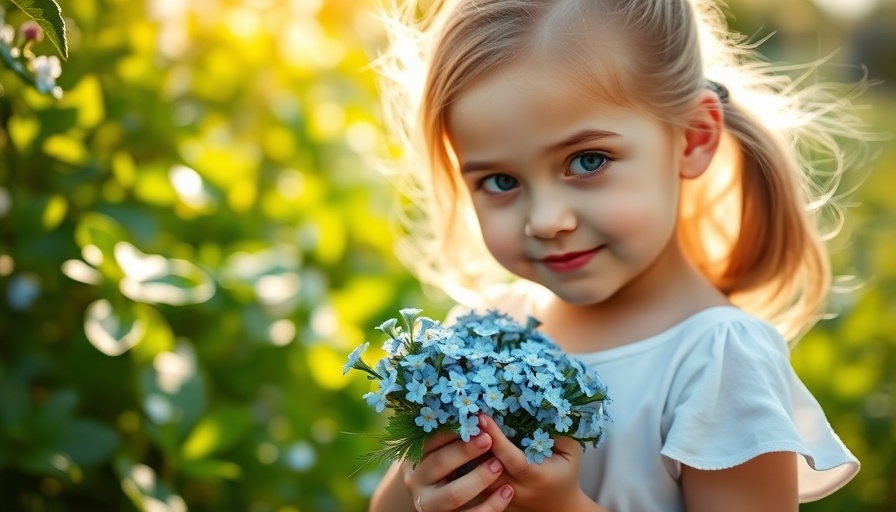
Young girl with bouquet of blue forget-me-nots in garden.

Discover the Beauty and Significance of Iconic Women's Favorite Flowers

Flowers have always held a special place in the hearts of many, serving as symbols of beauty, power, and personal expression. As we embrace Women's History Month, it’s the perfect time to explore the favorite blooms of some of the most iconic women in history. From the delicate Lily of the Valley adored by Audrey Hepburn to the striking Orchids cherished by Angelina Jolie, these flowers not only enrich our gardens but also tell us stories about these remarkable women.

Audrey Hepburn and the Elegant Lily of the Valley

Audrey Hepburn, an emblem of grace, had a deep affection for the Lily of the Valley. These delicate, bell-shaped flowers reflect a sense of elegance and resilience that Hepburn embodied throughout her life. Beyond their visual appeal, Lily of the Valley is celebrated for its enchanting fragrance, making it not just a flower but a sensory experience.

Thriving in shady spaces, Lily of the Valley brings charm to gardens while being relatively easy to care for. As you plant this iconic flower, you cultivate not just a beautiful garden but also a tribute to Hepburn’s legacy of beauty and kindness. Caution is advised, however, as every part of this flower is poisonous if ingested. Thus, it’s essential to place them thoughtfully within reach of pets and children.

Angelina Jolie's Sophisticated Choice: The Orchid

No flower represents sophistication and uniqueness quite like the Orchid. Angelina Jolie, known for her humanitarian work as much as her film roles, has made the orchid her favorite blossom. This exotic flower symbolizes strength, beauty, and refinement, much like Jolie herself. Orchids thrive in various environments, making them versatile and resilient, similar to the actress's multifaceted career.

Incorporating orchids into your gardens or indoor spaces can elevate your decor and impose an air of luxury. These stunning flowers can range in shape and color, providing endless options for personalization in your green spaces.

The Meaning Behind Flowers: A Reflection of Personality

Flowers often serve as reflections of our personalities or experiences. Just as iconic women like Hepburn and Jolie have their favorites, other notable figures have selected blooms that resonate deeply with their values:

  • Anne Hathaway - The Anemone: Known for her adaptability, Hathaway's choice symbolizes protection against evil and the complexities of love.
  • Katy Perry - The Hydrangea: Full of vibrant colors, hydrangeas symbolize gratitude and sincerity, reminding us of Perry’s influential presence in pop culture.
  • Lady Bird Johnson - The Bluebell: This flower represents devotion and humility, aligning perfectly with Johnson's contributions to environmental beautification.

Bringing Historical Grace to Your Own Garden

By choosing flowers that resonate with these historical figures, gardeners can cultivate not only beauty but also narrative within their outdoor spaces. Whether you’re inspired by Hepburn's understated elegance or Jolie’s exotic charm, the stories behind these flowers add depth and history to your gardening experience.

Take Action: Cultivate Your Garden Inspired by Iconic Women

As you seek to enrich your garden, consider selecting flowers that not only beautify your surroundings but also tell stories that resonate with you. Engage with the spirit of these extraordinary women by planting their favorite flowers and reflecting on the qualities they embodied. This Women's History Month, celebrate the legacies of these influential figures through the art of gardening.

Ultimately, the flowers you choose to cultivate can connect you to a larger narrative, inviting you to draw inspiration from the traits and stories of remarkable women throughout history.

Outdoor Living

0 Comments

Write A Comment

*
*
Related Posts All Posts
02.05.2026

30 Years of Plant-O-Rama: 7 Essential Gardening Insights for Urban Landscapes

Update Celebrating 30 Years of Plant-O-Rama: An Inspirational Gathering The recent Plant-O-Rama celebration at the Brooklyn Botanic Garden marked an impressive milestone—30 years of uniting horticultural professionals in the tri-state area. Hosted by the Metro Hort Group, this event is more than just a symposium; it’s a vibrant community hub where renowned horticulturalists, designers, and aspiring green thumbs come together to exchange knowledge and inspiration. Despite a surprise snow, the attendees were eager to share their latest innovative ideas and practices. Exploring Hyper-Diversity in Landscapes One of the standout speakers was James Hitchmough, a respected horticulturalist and author who emphasized the importance of what he terms "hyper-diversity." In contrast to traditional practices that often favor mono-cultures or limited native selections, Hitchmough advocates for integrating a vast array of plants, drawing from both native and non-invasive exotic species. His perspective not only promotes biodiversity but also enhances the aesthetics of gardens throughout different seasons. This approach supports a broad spectrum of urban wildlife, creating environments that are rich and ecologically just. Using Color to Attract and Engage Hitchmough also introduced the concept of using color as a "Trojan horse" for engaging more people in naturalistic gardening styles. His research revealed that vibrant, colorful displays in public settings garner more positive feedback from visitors, increasing their appreciation for wilder planting styles. This simple yet effective tactic may serve as a bridge toward fostering a deeper connection between urban dwellers and green spaces. Gardens as Community Nurturers Panel discussions at Plant-O-Rama brought together leaders from prominent New York City nonprofits focused on growing urban gardening initiatives. They highlighted the necessity of community-centered gardens. Organizations such as the Gowanus Canal Conservancy and The Bronx is Blooming advocate for restoring eco-systems and creating green jobs. They are not just planting seeds; they are cultivating a culture that empowers residents to take ownership of their greenspaces. Diverse Perspectives on Urban Horticulture The event showcased a variety of viewpoints around horticultural practices. Joseph Charap and Sara Evans from Green-Wood Cemetery discussed shifting from rigid landscape management to embracing curiosity. Their philosophy encourages new strategies that integrate ecological principles into traditional spaces, aiming to honor both the past and the living environments around us. Future Trends: Urban Gardening and Innovation Looking ahead, the discussions on urban gardening at Plant-O-Rama suggest a trend toward more holistic approaches. The push for sustainability and biodiversity is not merely theoretical; attendees expressed a robust commitment to applying these principles within their community designs. Innovative practices discussed ranged from the use of native plants to the incorporation of technology in garden management, ensuring that cities remain green and vibrant. Actionable Takeaways from Plant-O-Rama This year’s Plant-O-Rama illustrated the vitality of community-driven horticultural practices and the continuing evolution of green spaces. The conference emphasized actionable insights such as: Prioritizing Diversity: Incorporate a wide variety of plant species to enrich local biodiversity. Engaging the Community: Foster community gardens as hubs for education and engagement. Using Color Wisely: Employ vibrant plantings to draw public engagement and enhance aesthetic appeal. Thinking Ecologically: Shift toward ecological practices that respect historical landscapes while promoting biodiversity. As we celebrate the successes of Plant-O-Rama, it’s clear that the principles discussed will resonate far beyond Brooklyn Botanic Garden. These ideas are essential for nurturing not just greenery but a sense of community, sustainability, and ecological responsibility. Let's embrace these lessons and strive to make our urban landscapes vibrant and inclusive. Call to Action: If you're inspired by the innovative ideas from Plant-O-Rama, consider getting involved in your local gardening community or starting your own garden project. Together, we can cultivate greener neighborhoods and foster connections through our shared love of plants.

02.04.2026

Unlock Flavor and Style with Terracotta Rhubarb Forcers

Update The Timeless Charm of Terracotta Rhubarb Forcers Rhubarb forcers are more than just functional garden tools; they bring a unique aesthetic to outdoor spaces. Imagine a sculptural piece in your garden that not only promotes growth but also stands as a statement of style. These terracotta cloches not only help produce tender shoots of rhubarb early in the season; they also entice gardeners to explore growing other plants like asparagus and chicory. The Resurgence of Forcers in America The renaissance of terracotta rhubarb forcers has been quite the journey. Once primarily a staple in England, these beautiful jars are now catching the attention of American gardeners. This shift can be traced back to unexpected events, such as the Duke of Edinburgh interacting with renowned potter John Huggins. Huggins’ fascination with vintage forcers sparked a newfound appreciation for these gardening accessories, quickly becoming in demand. Venture into any garden center and you’ll notice this once rare item now increasingly present on US soil. How Forcing Enhances Your Rhubarb Experience So, why force rhubarb? It’s simple: it produces a sweeter and more tender product. Forcing rhubarb involves preventing light from reaching the crowns, prompting the plant to grow upwards, reaching for light. Gardener Graham Smith recommends choosing healthy crowns, ideally those at least two years old, and preparing them well before covering them with a pot. Each step is essential to maximize delicious yields. Choosing the Right Forcer When selecting a rhubarb forcer, consider materials and sizes. For example, the Victorian-style clay cloche from Gardens4Less is an attractive option at £109.99. Meanwhile, options from Crocus come in Turkish clay, offering reliability with a price point of £139.99 to £159.99. The aesthetics of these forcers can tie together the overall look of your garden, marrying function with beauty. Practical Tips for Forcing Rhubarb Forcing rhubarb need not be an intricate process. Here’s a streamlined approach: Choose a Healthy Crown: Opt for pinkish crowns that indicate maturity. Prepare the Plant: Clear old leaves and mulch with compost to boost nutrient levels. Cover with a Pot: A solid pot helps by blocking light; make sure it’s weighted down to withstand wind. Wait: Patience is key. In roughly eight weeks, you can expect to harvest. Harvest Wisely: Pull gently to avoid damaging the plant and remove any toxic leaves before consumption. Challenges and Considerations While rhubarb forcers offer remarkable benefits, they do come with considerations. For instance, experienced gardeners might urge caution in ensuring the health of the plants; forcing overworked or young crowns can lead to poor yields. Additionally, securing the forcer properly is essential to avoid disappointing results. A poorly placed cover can thwart all your efforts. Local Resources and Future Trends As demand for rhubarb forcers grows, local retailers may begin sourcing more options to meet the needs of gardening enthusiasts. The increased visibility of these products could usher in a broader array of gardening tools. Thus, the future looks bright for gardeners eager to add these charming accessories to their plots.In conclusion, terracotta rhubarb forcers not only serve practical purposes but push the boundaries of gardening aesthetics. By bringing one into your garden, you can enjoy the benefits of forced rhubarb while also upgrading your outdoor space's visual appeal. For those drawn to the idea of cultivating delicious, early-harvested rhubarb, now is the perfect time to invest in a forcer and experience this splendid gardening method.

02.02.2026

Unlock the Deliciousness of Winter: Roasted Pears with Fir Sugar

Update Embrace the Flavors of Winter with Roasted Pears Winter is often associated with a festive mood, warm fires, and delightful aromas wafting through the home. What better way to embrace this seasonal charm than with a unique dessert that encapsulates the essence of the cold months? Introducing Roasted Pears with Fir Sugar, an aromatic dish that combines the comforting notes of fir with the sweet succulence of ripe pears. Changing Tides: Why Winter is Pear Season Did you know that December is declared National Pear Month by the U.S. Department of Agriculture? In regions like the Pacific Northwest, pears are at their most flavorful, making them a cherished fruit for winter dishes. Utilizing Bosc pears in this recipe not only ensures a delectable dessert but also aligns with seasonal produce availability, allowing for freshness that can elevate any meal. Using Fir Sugar: Transforming Simple Ingredients into Culinary Art The magic of this dessert lies in the use of fir sugar, derived from the needles of fir trees commonly found in holiday setups. By grinding down the fir needles, you create a vibrant sugar that permeates the pears with an aromatic flavor that embodies winter’s vibrancy. This ingredient not only adds a unique twist to the dish but also reinforces the importance of utilizing local and organic materials to enrich your cooking. The recipe suggests that after preparing the fir sugar, it can additionally be used in savory dishes or as a delightful addition to teas, showcasing its versatility. Cozy Cooking: The Preparing Process Preparing roasted pears is remarkably easy and makes for an impressive dessert. Begin by washing the pears and slicing them in half. Remove the seeds, then fill the cavities with a spoonful of yuzu marmalade (or, for variation, citrus zests). The combination of tart and sweet elements complements the pears' natural sugars beautifully. As they bake in the oven, the transformation into tender, caramelized goodness takes no spare effort or time, making it an ideal choice for gatherings or a simple cozy evening at home. Complementary Flavors: Pears with Ice Cream? Yes! While the fir sugar roasted pears are a star in their own right, consider pairing them with a scoop of vanilla ice cream. The creamy texture against the warm, caramelized pears brings a delightful balance that could easily be the highlight of any winter dinner party. Additionally, allowing the ice cream to melt slightly into the pear’s core creates a divine mingling of flavors that is unforgettable. Final Touch and Serving Suggestions When serving, a drizzle of the residual roasting liquid adds a touch of elegance, enhancing the flavors and aesthetics. This dessert represents more than just a seasonal dish; it is a celebration of winter's bounty and an invitation to savor every moment spent in the kitchen, transforming simple ingredients into something extraordinary. So, gather your ingredients, don your warmest apron, and create a dish that not only satisfies the sweet tooth but fills your home with joyous aromas this winter season!

Terms of Service

Privacy Policy

Core Modal Title

Sorry, no results found

You Might Find These Articles Interesting

T
Please Check Your Email
We Will Be Following Up Shortly
*
*
*