Add Row
Add Element
cropper
update
Pro Home Guides
update
Add Element
  • Home
  • Categories
    • Home Design & Inspiration
    • Home Renovation & Project Planning
    • DIY Home Improvement & Repairs
    • Pro Contractor Insights & Business Growth
    • Technical Tips & Best Practices
    • Outdoor Living
March 17.2025
3 Minutes Read

Is Auto Start-Stop Technology Here to Stay? Fuel Savings and Engine Lifespan Insights

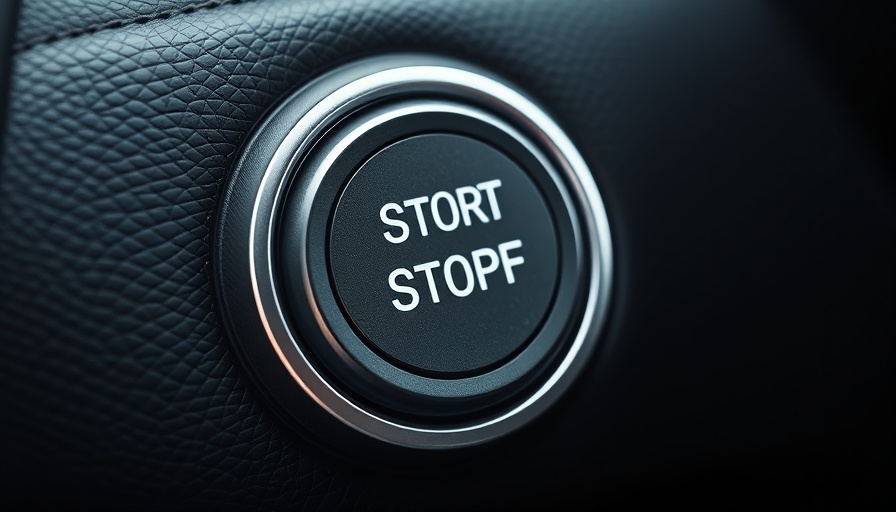
Auto Start-Stop Technology button on car dashboard.

Understanding Auto Start-Stop Features: What You Need to Know

As automobile manufacturers highlight innovations designed to improve fuel efficiency and reduce emissions, the auto start-stop feature has emerged as a common aspect of many new vehicles. This technology allows the engine to shut off when the vehicle is at a standstill, such as at traffic lights or during traffic jams, and restart automatically when the driver accelerates. While this may sound beneficial, many car owners are left wondering: should I switch this feature off or keep it active?

Fuel Savings: The Numbers Behind Auto Start-Stop Tech

According to research by AAA, engaging the auto start-stop feature can lead to a significant improvement in a vehicle’s fuel economy, with savings reported between five to seven percent. This translates to possible annual savings of up to $179 for motorists driving an average of 15,000 miles a year in vehicles getting 20 miles per gallon. The technology is especially effective during urban driving, a context where frequent stops occur, making it a sensible option for the daily commuter.

Engine Lifespan: What Experts Say

A common concern among drivers is whether the auto start-stop feature might shorten the lifespan of their vehicle's starter. Experts Kye Grisham and Thomas Diamond assure us that most modern starters are designed to handle the increased frequency of engine restarts. These starters incorporate enhanced engineering to ensure durability, effectively combating wear and tear typically associated with traditional starters. Your car's starter is more 'heavy-duty' now, equipped to withstand the demands of this beneficial technology.

The Personal Preference Debate: To Use or Not to Use?

Whether or not to use the auto start-stop feature often boils down to personal preference. If constant restarting feels excessive to you during short trips around town, it may be worth switching off the feature. On the other hand, for those looking to save fuel and reduce emissions, keeping the feature active makes perfect sense. It showcases a commitment to sustainable driving practices, which can be exceedingly impactful as climate concerns become more pressing.

Counterarguments: Diverse Opinions on Auto Start-Stop

While many car enthusiasts and eco-conscious consumers appreciate the auto start-stop feature, there are dissenting viewpoints. Some drivers express discomfort with the sensation of the engine turning on and off, finding it distracting or off-putting. The initial iterations of this technology, resulting in jarring motions and noise, may leave some skeptical about its advantages. It's essential to be informed about these mixed opinions and weigh them against the established benefits.

Tips for Drivers: Maximizing Benefits of Auto Start-Stop

To make the most out of your auto start-stop feature, consider the driving context. Use it primarily during city driving, where stops are frequent, to reap the maximum fuel economy benefits. Additionally, be sure to maintain regular vehicle maintenance checks. Proper upkeep helps optimize all vehicle systems, including your starter and battery, ensuring longevity and efficiency.

A Glimpse into Future Automotive Innovations

With advancements in automotive technology, the importance of sustainability in driving has prompted further innovations. Auto start-stop systems represent just the beginning of vehicle features designed to reduce emissions and enhance fuel efficiency as automakers strive to meet increasingly stringent regulations. As consumers, being informed about such technologies is essential to making choices that will benefit both the individual and the planet.

In conclusion, whether to keep your auto start-stop feature active should align with your personal driving habits and environmental goals. Balancing comfort and efficiency is crucial, and understanding these modern conveniences empowers us to drive with intention. Ready to explore more sustainable vehicle technology? Dive into our additional resources for tips on eco-friendly driving practices.

Home Renovation & Project Planning

0 Comments

Write A Comment

*
*
Related Posts All Posts
02.05.2026

Don't Fall for the DMV Group Text Scam: Here's What You Need to Know

Update Understanding the Latest DMV Group Text ScamScams continue to evolve, and the latest iteration that has many drivers on high alert is the DMV group text scam. As this malicious scheme spreads, it's crucial to identify how it operates and what steps you can take to safeguard your personal information.What Is the DMV Group Text Scam?This scam masquerades as an urgent message from the DMV, alerting recipients of an alleged "outstanding toll balance linked to your vehicle." The message often threatens immediate penalties, including license suspension, which plays on recipients' fears.Red Flags: How to Spot the ScamIdentifying scam messages can be straightforward if you know what to look for:Group Messaging: Legitimate government agencies like the DMV will not send group texts regarding personal matters. If you receive such a message, it’s likely a scam.Suspicious Links: Examine the URL carefully. Authentic links usually include the DMV name and your state. Any additional parts may indicate a fraudulent source.Sense of Urgency: Scammers often create a false sense of urgency. Messages requiring immediate action—especially outside of normal business hours, like a Sunday evening—should raise a red flag.Using Trusted Sources to Confirm LegitimacyWith scammers becoming increasingly sophisticated, it’s understandable to fear missing out on vital communication from the DMV. However, following a few best practices can help distinguish legitimate messages from scams:Official Communication: The Wisconsin DMV explicitly states that they will never ask for payments via text. Similarly, California DMV has re-emphasized this in their recent communications.Contacting the DMV: If you are ever unsure about a text message, reach out to the DMV directly through official channels. Use phone numbers or websites you trust rather than those provided in the dubious texts.Online Services: The DMV has expanded its digital services, offering solutions that don't necessitate an office visit. Familiarize yourself with their services to manage your vehicle records securely.Recognizing the Wider Trend of ScamsThis text message scam is part of a broader category of phishing schemes known as “smishing,” which have gained notoriety and frequency over the past years. Text messages disguised as official notifications are increasingly troubling. Reports indicate that since 2024, Americans have lost over $12 billion to various types of fraud, much of which involves sophisticated scams like this one.Advice from Experts: Protecting Yourself Against ScamsTo escape the grasp of digital thieves, consider implementing these actions:Be Wary of Unsolicited Messages: If a text message arrives unexpectedly, especially requesting personal data, do not engage. Simply delete it.Verify Through Official Resources: When in doubt, utilize the DMV’s official website or contact customer service for clarification.Report Suspicious Messages: Notify your service provider or relevant authorities if you encounter any scam attempts. This helps combat the issue on a larger scale.The Importance of Awareness in Today's Digital LandscapeAs technology advances, so do the strategies used by scammers. Increasing your awareness and sharing your knowledge with others can create a more informed community. Whether you're a homeowner, a contractor, or a student, understanding how these scams work is essential in today's digital landscape.Conclusion: Stay Informed, Stay SafeKeeping your personal information safe starts with recognizing potential threats like the DMV group text scam. By understanding the common tactics employed by scammers and following the advice laid out here, you can navigate communications from legitimate organizations while staying secure against fraud.

02.04.2026

Discover How to Create Your Own Enchanting English Garden

Update English Garden Inspiration: Embracing Nature’s Beauty at Home The charm of English gardens captivates many homeowners around the globe. From historical castles and estates to humble cottage gardens overflowing with flowers, this distinctive gardening style offers both beauty and tranquility. Whether you're a seasoned gardener or just starting your own floral journey, understanding the elegance of English garden design can elevate your outdoor space. Unpacking the Essence of English Gardens At the heart of the English garden lies a celebration of floral abundance. The English country garden style emphasizes wide paths, large borders, and self-seeding plants that bloom throughout all four seasons. Blooming roses are a quintessential element, and traditional garden features like trellises, ponds, and vintage furniture create a captivating atmosphere. As noted in *The English Garden*, many famous gardens exist beyond England's borders, showcasing that the essence of an English garden can be replicated anywhere, lending hints of comfort and nostalgia. This design isn’t merely about aesthetics; it promotes a harmonious relationship with nature by inviting a variety of pollinators into the space. Historical Roots: The Development of English Gardens Historically, English gardens evolved through different eras, each leaving a unique mark. From medieval gardens focused on utility to the geometric elegance of Elizabethan gardens and Capability Brown's pastoral landscapes, every phase has contributed to the enchanting garden styles we see today. Notable gardens, such as those at Windsor Castle—a favorite retreat for Queen Elizabeth II—reflect a blend of formality and nature. The recent opening of the east terrace garden to the public invites visitors to experience classic design elements like clipped hedges, vast lawns, and exquisitely arranged flower beds. Tips for Creating Your Own English Garden Ready to introduce English charm to your backyard? Here are some practical insights to help you on your gardening journey: Start with Deep Borders: Aim for full, deep borders filled with a mix of perennial and annual flowers to provide continuous texture and color. Incorporate a Variety of Plants: Use traditional plants like roses, foxgloves, and hardy geraniums but mix in self-seeding varieties to create a relaxed and abundant feel. Add Water Features: A pond or simple water container adds serenity while attracting wildlife. Integrate Traditional Furnishings: Include weathered wooden benches or terracotta pots to enhance the garden aesthetic. A Journey Through Personal Inspiration As a passionate gardener myself, I've found that the true beauty of an English garden is following your own path. Drawing from the teachings of garden legends like Christopher Lloyd, embracing personal enjoyment in garden aesthetics leads to a unique space that reflects your personality. Meandering through my own garden filled with daylilies, lilacs, and roses, I emphasize creativity and spontaneity. The inclusion of unique plant pairings and thoughtful design reflects the essence of the English gardening philosophy—if it brings you joy, let it grow. Conclusion: Find Your Own Garden Path Creating an English garden isn't just about following rules; instead, it's about cultivating an environment that resonates with joy, beauty, and a love for nature. By exploring historical designs and blending them with your ideas, you can build a garden that thrives with life, warmth, and personality.

02.03.2026

How to Survive Six More Weeks of Winter: Essential Tips and Ideas

Update Brace Yourself: Six More Weeks of WinterGroundhog Day has come and gone, and once again we’re told that Punxsutawney Phil saw his shadow. For many, this means six more weeks of winter—something that is both anticipated and dreaded. While the news may induce a collective sigh, it's an opportunity to embrace the season and find joy in its offerings rather than letting it take control of our moods. With recent storms affecting many areas across the country, now is a perfect time to prepare ourselves mentally and physically for the weeks ahead.Restock Your Supplies: Essential PreparationsBefore the next winter storm hits, take a moment to assess your winter supply cache. Are you running low on de-icer or windshield washer fluid? Don't wait for a weather announcement; proactively restock your supplies to avoid scrambling at the last minute. An interesting tip from Ethan O’Donnell suggests using water softener salt as a budget-friendly ice melt alternative. While slightly less effective, it’ll help you manage icy conditions without overspending.Power Up: Ensure Your Devices are ReadyMake sure all your important winter tools and devices are charged and ready to go. This includes snowblowers, electric shovels, and power banks. A little precaution now can save you time and stress later when tackling snow cleanup. You want to tackle the aftermath of winter storms quickly and effectively, and having your tools at the ready is integral to that.Stay Warm and Cozy: Investing in Space HeatersIf you don't already own a space heater, consider investing in one to keep you cozy during these cold weeks. Even if you have an older model, check its functionality, and consider upgrading to a modern, energy-efficient model. The warmth and comfort provided by a good space heater can make those long winter evenings significantly more enjoyable.Engage with Family: Hobbies for Indoor FunWinter offers the perfect chance for family bonding. Grab this opportunity to learn a new hobby together indoors. Whether it’s knitting, painting, or woodworking with your kids, engaging in creative projects helps in passing the time and fosters enriching conversations. Plus, it’s a fantastic way to create lasting family memories while enhancing skills.Lay Your Spring Foundation: Start PlanningAlthough the prospect of spring feels far off, it’s never too early to start planning your garden or home renovations. Use this time to research what you want to grow, sketch layouts, and list supplies you’ll need for your projects. Pre-planning allows you to hit the ground running when the snow finally melts. Jumping into these tasks immediately will prove productive and rewarding.Spring Cleaning Kickoff: Get a Head StartWhile you're stuck indoors, why not get a jump on your spring cleaning? Starting early means you can tackle that chaos before warmer weather arrives. Organize your closets, rid yourself of unused items, and create designated piles for “keep,” “donate,” and “toss.” Not only does this make the actual spring cleaning easier, but it also refreshes your space, making it more bearable to live in during these last weeks of winter.Embrace the Winter Spirit: Small Wins MatterRemember, these last weeks of winter may feel daunting but finding joy in the small things can lift your spirits. Whether it's baking, reading your favorite books, or enjoying steaming cups of cocoa by the fireplace, compile a winter bucket list for activities you can indulge in until spring arrives. Celebrate each small win; these moments can amplify your happiness.The cold may linger, but with these proactive steps, you can create a comfortable and enjoyable home environment for your family during these last six weeks of winter. There's no reason to dread the season when you can make the best of it!

Terms of Service

Privacy Policy

Core Modal Title

Sorry, no results found

You Might Find These Articles Interesting

T
Please Check Your Email
We Will Be Following Up Shortly
*
*
*